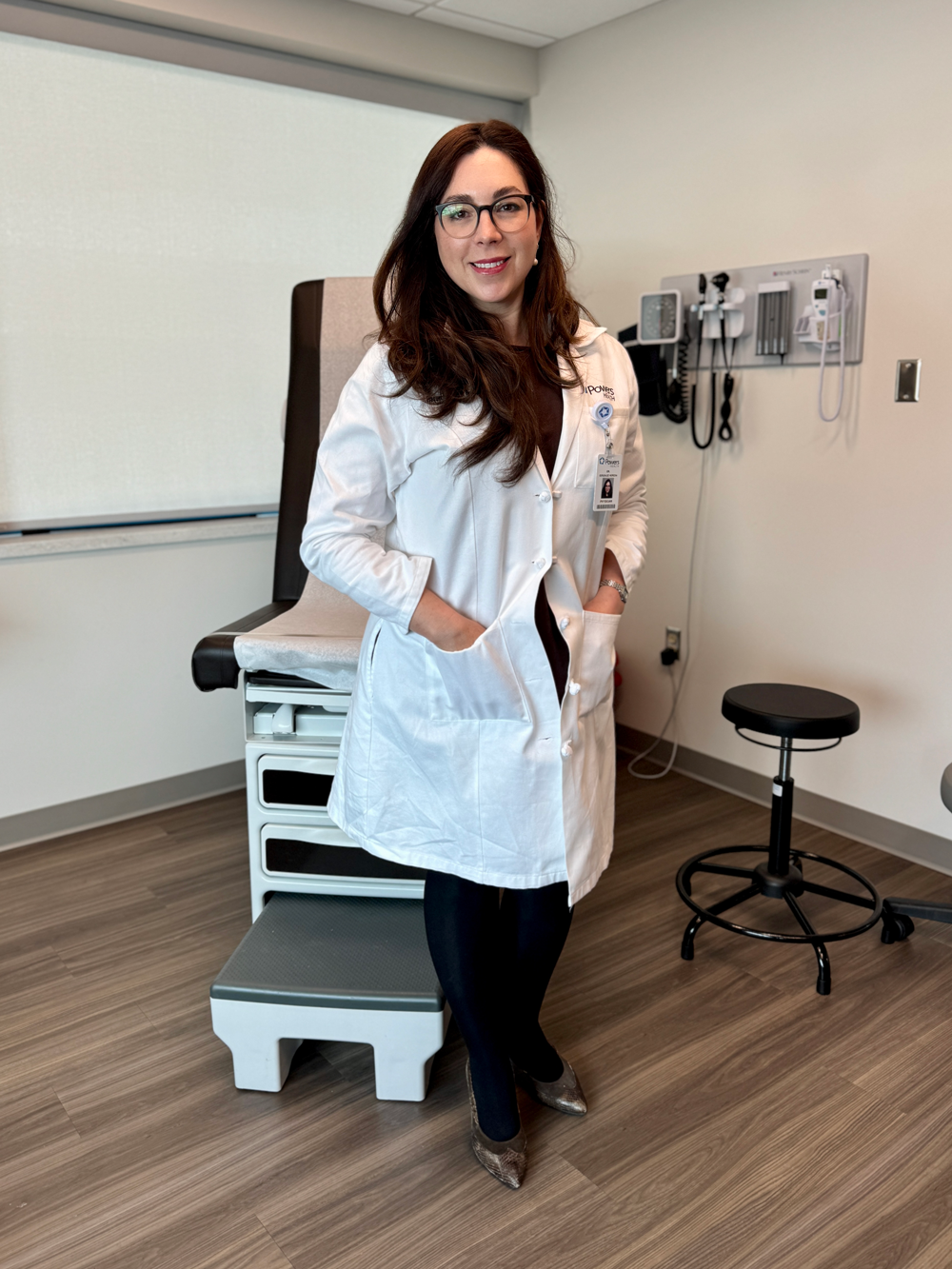
Regular preventive exams and checkups cannot only identify health issues before you know something is wrong; they can also save your life.
Staying up-to-date with routine health screenings is important. Powers Health encourages you to use this chart to determine when you should begin routine preventive tests and screenings and how often they should be repeated. Please remember to always talk to your healthcare provider about your risk factors so you can schedule your preventive screenings to match your health needs.
WOMEN
Your 20s
- Annual OB/GYN appointment
- Pap test every three years starting at age 21
Your 30s
- Pap test plus an HPV test every five years or a Pap test every three years
- Thyroid-stimulating hormone test every five years starting at age 35
- Diabetes screening if you are overweight or have other risk factors Your 40s
- Annual mammogram starting at age 45 with an option to start at age 40
- Pap test plus an HPV test every five years or a Pap test every three years
- Colonoscopy screening every 10 years starting at age 45
- Diabetes screening every three years starting at age 45 if results are normal
Your 50s
- Osteoporosis exam depending on risk factors
- Annual mammogram until age 55 with the option of switching to every two years after that (talk to your provider)
- Pap test plus an HPV test every five years or a Pap test every three years
- Colonoscopy screening every 10 years
- Diabetes screening every three years if results are normal
Your 60s
- Bone Mineral Density/Osteoporosis exam
- Option of having a mammogram every two years (talk to your provider)
- Pap test plus an HPV test every five years until age 65 if you’ve had normal results. Women with a history of serious cervical pre-cancer should continue testing for 20 years after the diagnosis.
- Colonoscopy screening every 10 years
- Diabetes screening every three years if results are normal
- Pneumonia vaccine (once)
Your 70s
- Continue having a mammogram every 1-2 years if you are in good health and expect to live 10 more years or longer.
- Talk to your provider about stopping colon cancer screenings.
MEN
Your 20s
- Annual testicular exam
Your 30s
- Cardiovascular risk test (depending on risk factors, talk to your provider)
- Diabetes screening if you are overweight and have other risk factors
Your 40s
- Prostate cancer screening: Talk to your provider about screening for prostate cancer at age 40 if you have more than one first-degree relative (father, brother or son) who’s been diagnosed with prostate cancer before age 65. African-Americans and men with one first-degree relative diagnosed before age 65 should talk to their provider at age 45.
- Colonoscopy screening every 10 years starting at age 45
- Diabetes screening every three years starting at age 45 if results are normal
Your 50s
- Prostate cancer screening: Talk to your provider at age 50 if you are at average risk for prostate cancer.
- Colonoscopy screening every 10 years
- Diabetes screening every three years if results are normal
Your 60s
- Prostate cancer screening (talk to your provider)
- Colonoscopy screening every 10 years
- Diabetes screening every three years if results are normal
- Pneumonia vaccine (once)
Your 70s
- Talk to your provider about stopping colon cancer screenings
Women and Men
- Annual physical exam
- Annual eye exam
- Annual flu shot
- Diphtheria/Tetanus vaccine every 10 years until age 65
- Lipid/Cholesterol test every five years starting at age 35
- Shingle vaccine at age 50 or older
- Skin cancer exam every three years
- Pneumonia vaccine at age 50 or older
Sources: American Cancer Society, Centers for Disease Control and Prevention, American Thyroid Association, American Diabetes Association